Investing: Commercial Property

Investing in commercial property is well beyond the financial means of most people. Few can afford the large sums of money involved in buying commercial real estate. For most of us our investment in real estate is limited to where we live – our home.

But unfortunately our home doesn’t generate any income or cash flow. In fact it probably costs us money in maintenance, rates and upkeep.

Sure the financial incentive to invest in your own home is to offset the cost of renting or the capital gains you get when you sell your house if it’s value has gone up.

Most financial advisors will tell you the best investment strategy is to pay off your home mortgage as quickly as possible to reduce your debt.

But what about after that if you want to invest in property? You have a choice – invest in another residential or a Commercial Property in Greater Noida.

Residential properties can often provide a good cash flow from rent, but there are associated hassles with getting good tenants, poor tenants trashing your property and the ongoing cost of maintenance. If you like playing the role of the landlord and being involved in all those activities great! But what if you want a hassle free commercial property professionally managed.
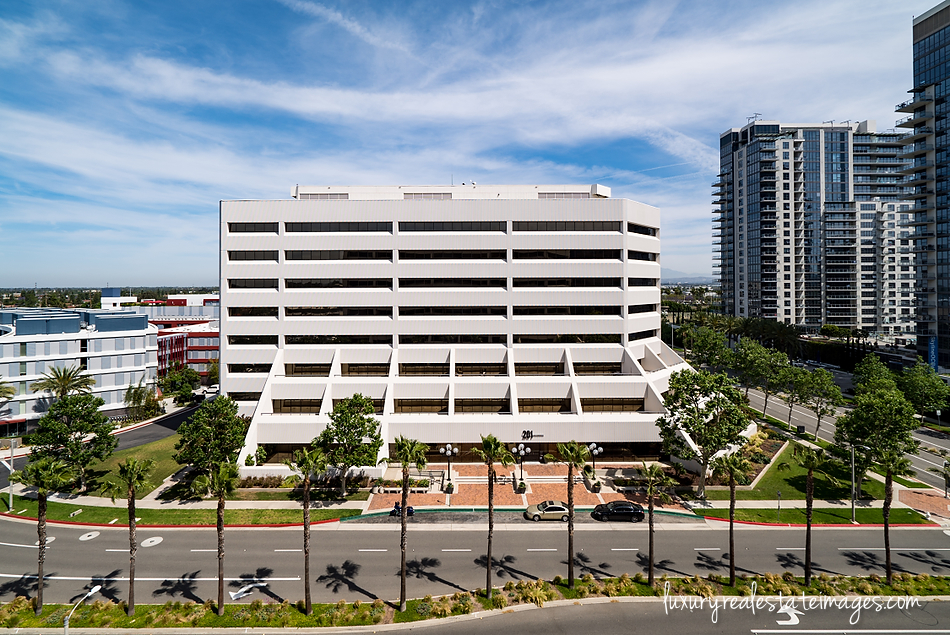
An increasingly popular investment amongst smaller investors and retirees is through syndicated property trusts. This is known as direct property investment where smaller investors buy small parcels of a larger property through a prospectus. These projects are managed and marketed by licensed property dealers.

The prospectus is lodged with the Australian Securities and Investment Commission and the property and syndicate is professionally managed.

As of December 1999 there were 77 Property Syndicates operating in Australia with more than $1.45 billion invested. Nearly 60 per cent of these investments use borrowed money, known as “gearing”.

The benefits for investors buying into property syndicates is they can purchase relatively small parcels, for example as little as $10,000 and gain exposure to the commercial property market.

There is also the added benefit of the Commercial Project in Greater Noida market often being in negative correlation with the share market so investors can spread their risk across their portfolio.

Another benefit provided is the regular income provided by syndicated property trusts, high yields and relatively low risk.

A typical breakdown of a property syndicate is the property management company buys a commercial building ranging from between $10 to $30 million and then they market this to around 300 individual investors who each have an equity subscription of between $40,000 and $50,000 each.

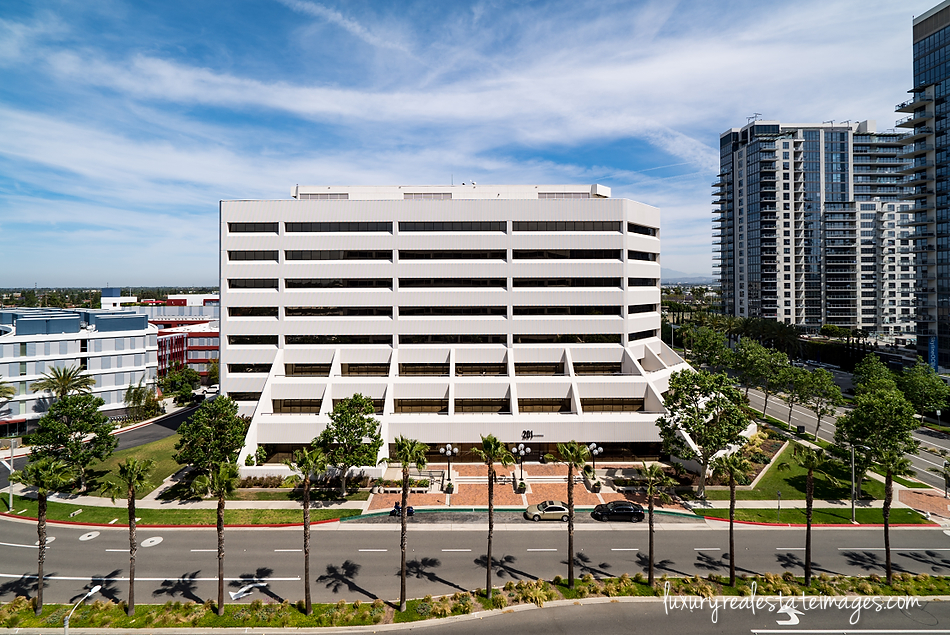
Real Estate property in India across all metros

An investor’s fear is put to rest with greater possibilities of rapid growth in the property rental sector in the next few years. Foreign information technology and customer services companies of the BPO sector are renting large commercial spaces. With regard to residential property in India, people are ready to pay large sums as rent for apartments, flats and homes, especially in metros and Tier I cities.

Real Estate property in India across all metros (including their micro markets) has been thriving on continuing healthy demand, attractiveness due to rising capital and rental values. A pace has been set for a large number of projects that have been started at major locations.

Properties in India in both residential as well as Commercial Project in Greater Noida segments have witnessed phenomenal price escalation (more than 250 % in most urban cities) in recent years. The projected office space is expected to increase to more than 367 million sq ft till 2012-13.
State governments at many of these locations have taken on the mantle of policy initiative and improving infrastructure.

The State Governments of Gujarat, Punjab, Uttar Pradesh, Rajasthan and even West Bengal and Kerala are showcasing, as it were, the idea of promoting Ahmedabad, Chandigarh, Lucknow, Noida and Greater Noida, Jaipur, Kolkatta and Kochi as the next major business destinations in the country. New locations like Chandigarh and Mohali are enjoying the enthusiastic support of some NRIs.

Real Estate development in the commercial segment, even companies are being seen to warm up to the idea of having their bases in Tier III cities for cost advantage purposes.
Setting up of malls, multiplexes, etc. at these places will set off the entire value chain of Real Estate (commercial) development.

The major factors associated with this are tremendous rise in information technology-enabled services industry, emergence of India as an important investment centre in the world market, growth in foreign direct investments and others.

Going From Residential to Commercial Air Duct Cleaning

In an effort to grow their business, many residential air duct cleaning contractors look to the opportunities the commercial market offers. This is a natural progression, as residential contractors first add light commercial projects (one story office strips, etc.) and then add multi-story commercial projects (office buildings, schools, hospitals, etc).

There are differences, however, that the residential contractor needs to be aware of so they can plan and be prepare for this transition. These differences include:

Work Time: Residential projects are typically done during the daytime while most Commercial Property in Greater Noida products occur during the 2nd shift (4:00pm to midnight).

HVAC Systems: Residential heating, ventilating and air conditioning systems (HVAC) systems are relatively simple to understand and are modest in size while commercial HVAC systems are larger and more complex. You’ll deal with many more components like in-line heating coils, VAV boxes, fire dampers, turning vanes, internal insulation, etc.

Average Revenues: Residential project revenues will range from $300 to $700 depending on the services provided while commercial projects will range from $1,000 to 1,000,000 or more, with an average or $5,000.

Payment Terms: Residential work is great for cash flow because you get paid at the end of the project while payment on a commercial project can be 30 – 60 – 90 days or more. A good operating line of credit with a bank is needed to meet payroll and other expenses while you wait to get paid.

Project Cleaning Specification: Residential projects typically don’t have a cleaning specification; the contractor must satisfy the homeowner while most commercial projects have a cleaning specification. This cleaning specification tells the contractor what the project requirements are (experience, certification, insurance, bonding ability, cleanliness verification, etc) and what HVAC system(s) have to be cleaned.

Certification: None is required for residential air duct cleaning projects but certification can be a good marketing tool to separate yourself from the competition. More and more commercial project specifications are requiring the contractor to be a member of the National Air Duct Cleaners Association (NADCA) and to have at least one certified Air System Cleaning Specialist (ASCS) to even bid on a project. In these cases certification is vital for success!

Equipment: Commercial HVAC systems are larger and more complex. They need more and larger cleaning equipment so the contractor can be productive and profitable. Labor is the single biggest cost in commercial air duct cleaning so maximizing productivity and cleaning quality is very important.

Marketing: In the residential marketplace the contractor is marketing to homeowners while in the Commercial Project in Greater Noida marketplace the contractor is marketing his/her services to a variety of audiences (mechanical contractors, fire/water/mold restoration contractors and engineers/architects that write cleaning specifications, etc.).
Commercial air duct cleaning is a great business opportunity for residential contractors. To be successful however, good planning and preparation are necessary.

Design a site like this with WordPress.com
Get started